Prepare for disruption before it becomes a crisis.
Practical continuity, crisis preparedness, and resilience planning that helps organizations protect critical operations and keep moving through disruption.

We help organizations prepare for disruption, clarify responsibility, and build the capabilities needed to respond and recover with confidence.
What’s included
Risk & resilience assessment
dentify critical operations, dependencies, vulnerabilities, existing plans, and the conditions most likely to disrupt the organization.
Continuity & preparedness planning
Develop practical plans for maintaining critical functions, responding to disruption, and navigating periods of uncertainty.
Roles & response structure
Clarify accountability, decision-making, escalation paths, and who needs to be involved before, during, and after an incident.
Exercises & improvement
Test plans and assumptions, identify gaps, and strengthen readiness through exercises, review, and ongoing improvement.
From uncertainty to a more resilient operating model.
Understand what must keep moving
Identify critical people, operations, assets, information, dependencies, and the disruption scenarios that matter most.
Assess readiness and gaps
Review existing plans, responsibilities, capabilities, and vulnerabilities to understand where the organization is prepared and where it is exposed.
Build the response
Define practical continuity plans, decision structures, responsibilities, escalation paths, and response procedures around the organization’s actual operating environment.
Test and strengthen
Exercise the plan, surface weaknesses, clarify expectations, and refine the approach so the organization is better prepared when conditions change.

A clearer plan for when conditions change.
Defined continuity and resilience priorities
Clear roles, responsibilities, and escalation paths
Practical plans for maintaining critical operations
Response and decision-making guidance
Identified gaps and recommendations for improving readiness
We work with a small number of clients

Critical operations can’t simply stop
The organization needs to understand what must continue, what can pause, and how critical functions will be protected during disruption.
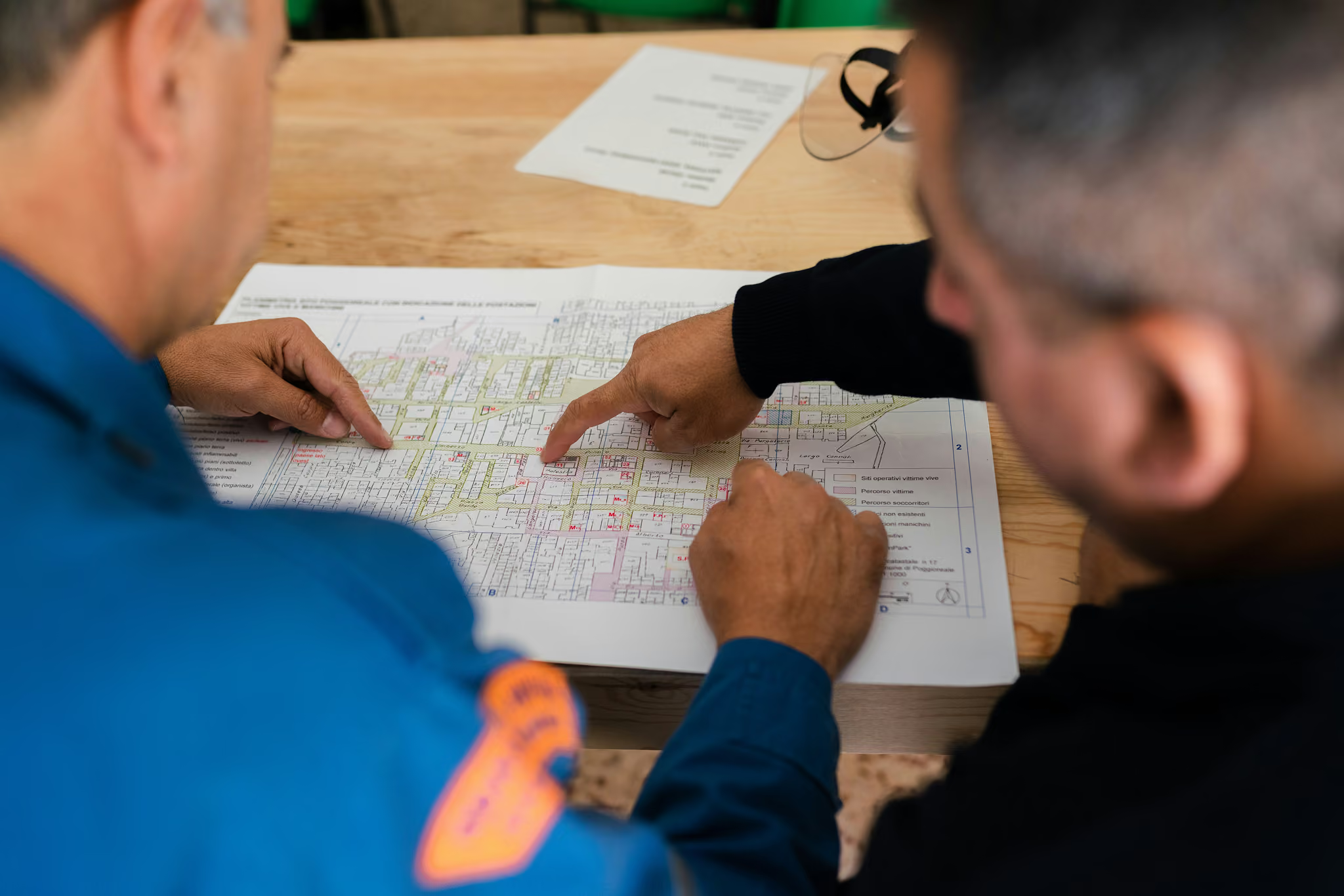
Plans exist, but confidence in them is low
Continuity, crisis, or response plans may be outdated, fragmented, untested, or unclear to the people expected to use them.

Responsibility becomes unclear under pressure
Leadership needs clearer ownership, escalation paths, and decision-making structures before an incident forces those questions in real time.
Everything you need to know before starting
What kinds of risks or disruptions can Risk & Resilience planning address?

Risk & Resilience work can address a range of operational disruptions, including incidents affecting people, facilities, information, technology, travel, vendors, or other critical functions. The focus is on understanding what matters most to the organization and building practical plans around those realities.
Do we need an existing continuity or crisis plan to get started?
No. Juniper can work with an existing plan, help strengthen an approach that is incomplete or outdated, or support an organization that is starting from the beginning. The engagement starts with understanding what is already in place and where the most important gaps may be.
How is Risk & Resilience different from Strategic Security Advisory?
Strategic Security Advisory provides broader senior-level guidance around security priorities, governance, and program development. Risk & Resilience is more specifically focused on continuity, preparedness, response, and helping the organization maintain critical operations through disruption.